

Megan Simmons
Senior Consultant
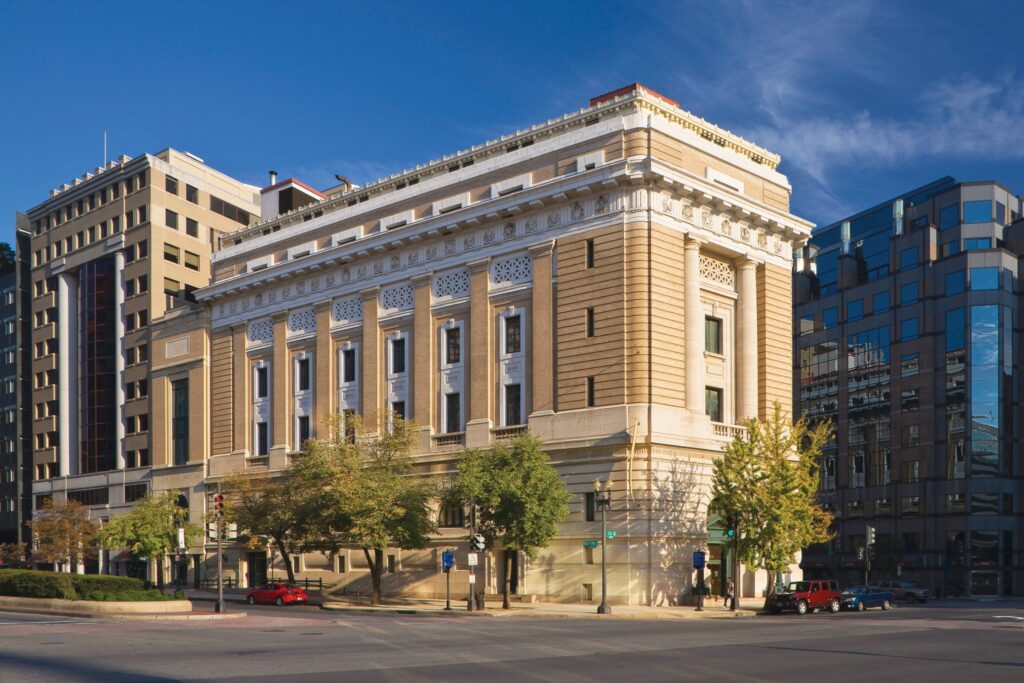
About The National Museum of Women in the Arts
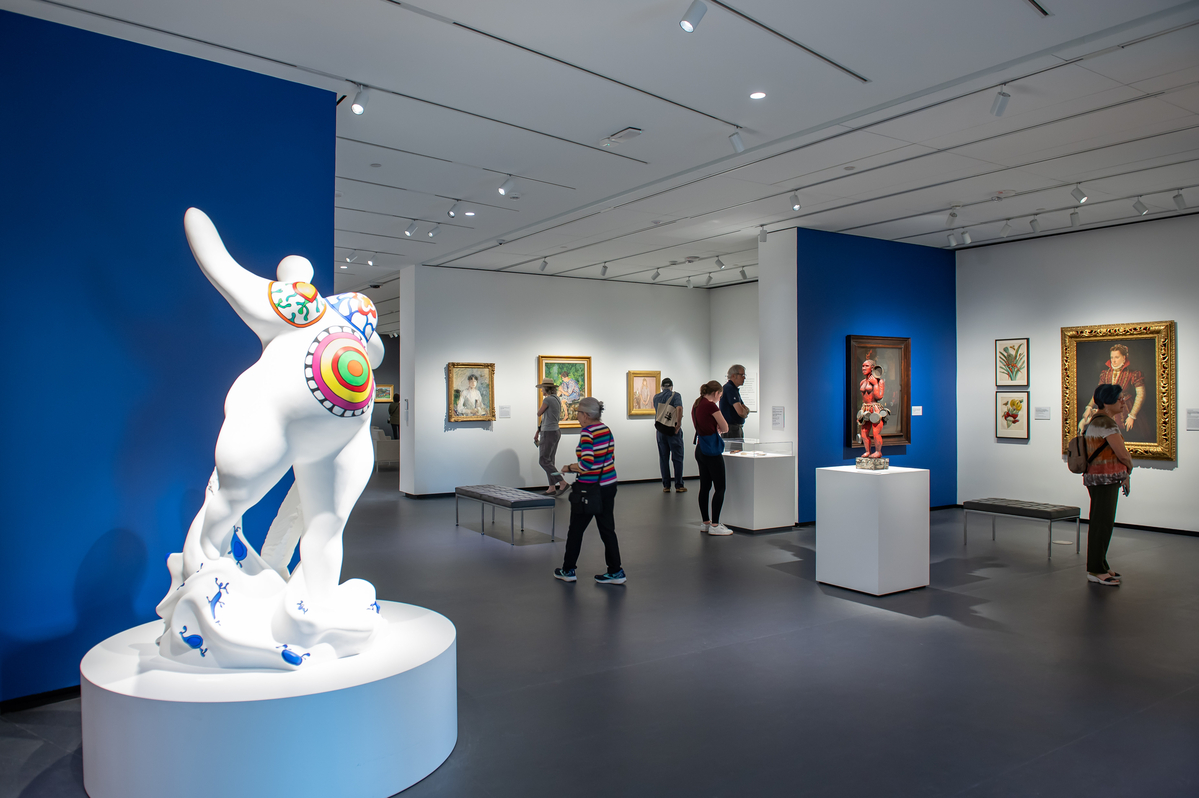
For centuries, women artists have created works of profound meaning and beauty. Yet in the nearly half a millennium since the advent of museums, art created by women has been all but missing from public display and absent from art history. More than half of present-day visual artists identify as women, yet only 13% of the art on display in U.S. museums is by women artists.
Making Women’s Voices Heard
The National Museum of Women in the Arts seeks to inspire dynamic exchanges about art and ideas as it:
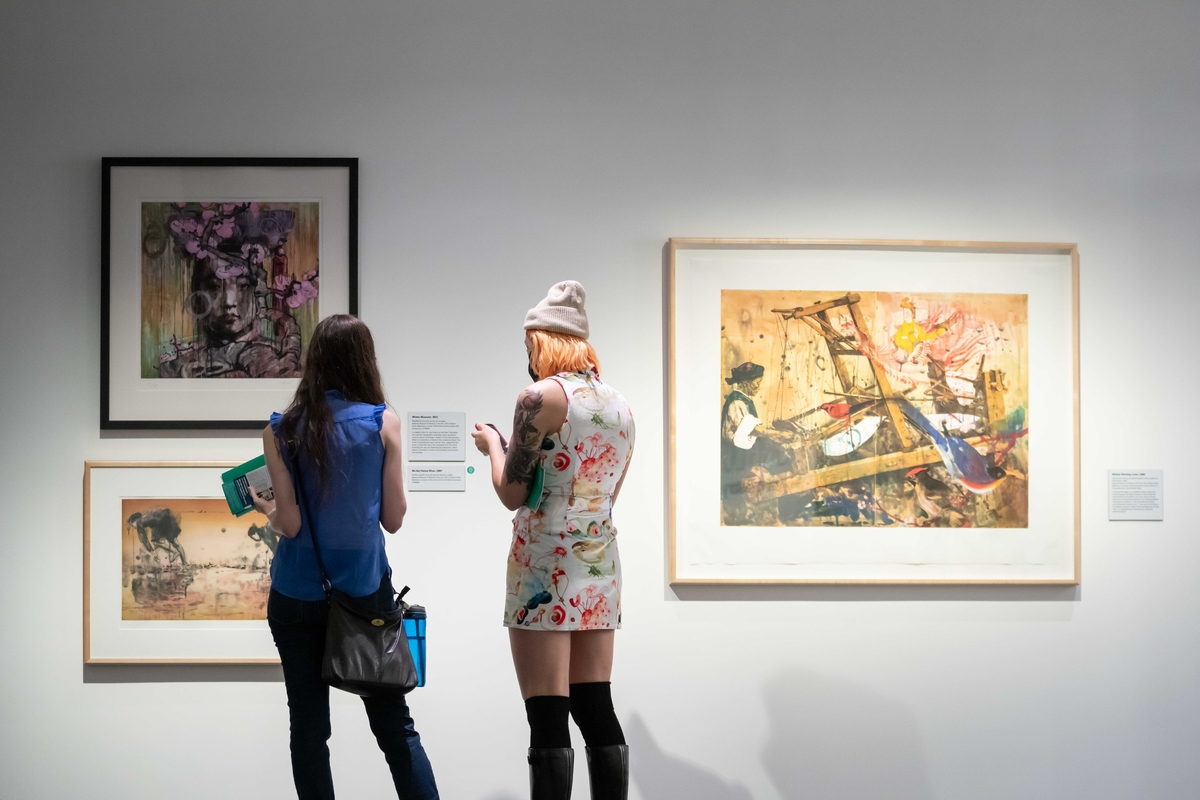
- Displays, interprets, and preserves a collection of 6,000+ objects
- Presents 10 world-class exhibitions featuring women artists each year
- Maintains a 18,500-volume library and research center
- Hosts public programs highlighting the power of women and the arts to catalyze change
- Sponsors 29 outreach committees whose members raise the museum’s profile, advocate for women artists, and plan local programs
- Serves as a leading resource for facts about gender disparity in the arts
Since 1987, the National Museum of Women in the Arts (NMWA)—the first major museum in the world dedicated solely to recognizing the creative achievements of women—has sought to change this: giving prominence to the fierce women and nonbinary artists who refuse to let society define their place.
In 2023, the museum completed a major renovation that modernized its galleries, improved access for audiences and researchers—and presented a special opportunity to strengthen donor relationships and elevate fundraising.
Benefactor Group has been proud to counsel NMWA as the museum worked to harness the full potential of this opportunity. Of all the successes and forward strides the museum has experienced, one stands out: NMWA’s work to build a 360-degree view of its supporters.
Building a 360-Degree View of Your Donors
As we’ve written about before in this white paper, supporters engage with nonprofits in many different ways. Consider NMWA: a supporter may attend an exhibition, participate in a program, purchase from the gift shop, rent an event space, and make a gift. How do we keep track of these supporters? How do we capture their true affinity for our cause? And importantly—how do we communicate to donors that we see and understand them, and all the ways they care about our work?
For NMWA, shifting toward a data-driven culture—one that creates a fuller, 360-degree view of every individual’s relationship with the museum—was a two-phase approach.
Phase I: Implement a CRM that Acts as a “Sole Source of Truth”
First, Benefactor Group conducted a system assessment—followed by a new system selection—to help establish a CRM that would enable NMWA to see a complete picture of the museum’s relationship to its supporters. NMWA then continued its partnership with Benefactor Group to implement the selected CRM system, leaning on Benefactor Group for ongoing project management and responsive counsel as opportunities and issues emerged. With a new CRM set up, the museum was able to track and understand its visitors, members, and donors more effectively, identifying key moments for engagement and long-term involvement.
Implementing a unified CRM gives organizations a single source of truth for their relationships with constituents. It provides a holistic view of engagement, from visits and memberships to donations and events. Technology alone isn’t enough—it’s how it connects with people, processes, and culture that empowers teams to be more data-driven in building lasting relationships.”
Steve Beshuk, President & Partner at Benefactor Group
Phase II: Set Up Infrastructure to Support Stronger, Unified Donor Relationships
With a new CRM in place, NMWA turned its attention to setting up internal structures that would better support unified stakeholder engagement. Benefactor Group, as part of a business planning effort for NMWA, helped the museum to move to an “advancement staffing model”: one that brings together all activities intended to secure contributed revenue and elevate the museum in the hearts and minds of supporters. This includes fundraising, donor engagement, advancement services, marketing and communications, and digital engagement. With a more unified staffing model—overseen by a new position, the Chief Advancement External Relations Officer—the museum could better centralize strategies for managing constituent relationships.
Moving to an advancement model with a single leader responsible for fundraising, marketing, and membership creates clarity and aligns teams around shared goals. It ensures everyone understands how their work connects to the organization’s mission and long-term growth.”
Abby Shue, Executive Vice President & Partner at Benefactor Group
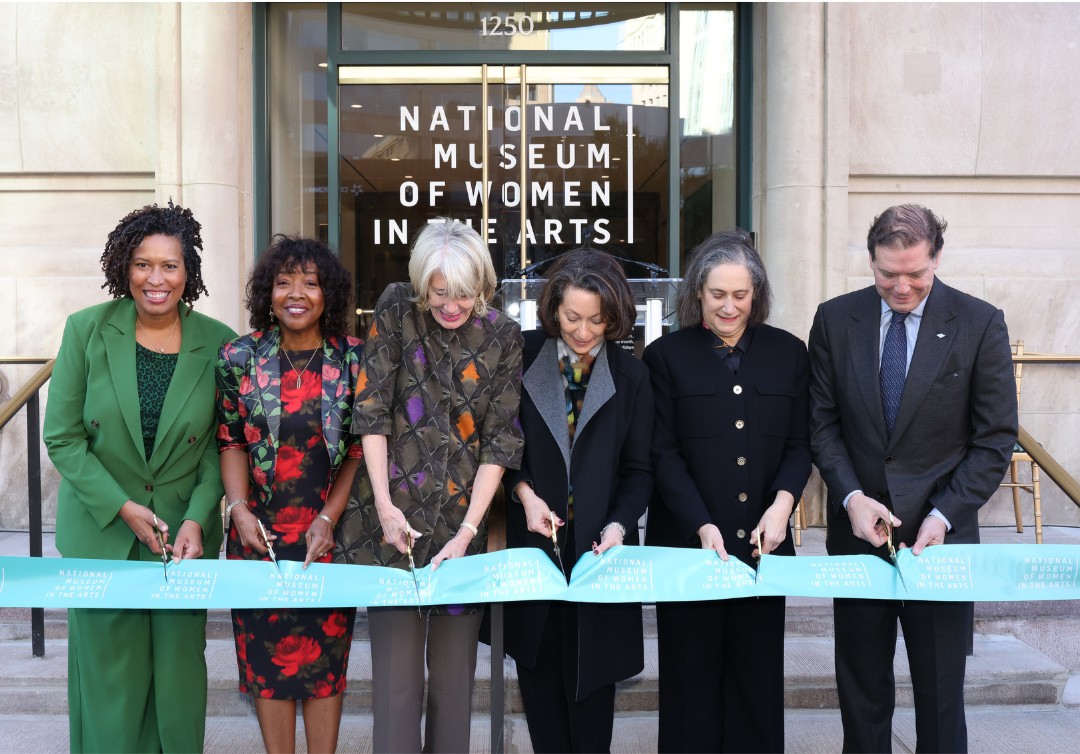
With Benefactor Group’s guidance, we evolved from managing separate departments to operating as an integrated advancement team. Membership, development, marketing, and digital engagement now work toward shared goals, and we’re seeing the impact in stronger relationships and increased support.”
Susan Fisher Sterling, Director of National Museum of Women in the Arts
If you are interested in strengthening your organization’s systems, aligning teams around shared fundraising goals, and building the capacity needed for long-term engagement and success, contact us to learn how Benefactor Group can help.