

Susan Brekelmans, CFRE
Senior Consultant
Campaigns Elevate Long-Term Fundraising Performance
At Benefactor Group, we often talk about campaigns as a way of elevating fundraising in the long term—getting organizations to a higher level of performance post-campaign. I heard the same thing in a recent presentation based on data from the Twin Point Insights/Association for Healthcare Philanthropy Healthcare Campaign Survey Series: “Meeting the campaign’s revenue goal is no longer enough. The high-performing campaign leaves behind a stronger fundraising engine than it found.”
That assertion was followed by this caveat: “Few hospitals are consistently tackling the detail work of campaigns.” When I went back and reviewed the rest of the Healthcare Campaign Survey Series, I saw a series of findings that backed up the presenter’s key takeaway, “Infrastructure gaps constrain campaign performance.”
Just think how great your hospital foundation or healthcare organization’s campaign performance could be if you addressed those infrastructure gaps before going into campaign.
Below are some case studies of “tune ups” that Benefactor Group has worked on with healthcare fundraising clients. These are targeted investments in key development competencies designed to build capacity for increased fundraising, and a strong infrastructure for lasting success.
Translating Hospital Priorities Into an Inspiring Campaign Vision
As someone who used to live and breathe cases for support, I always put vision at the top of the readiness list. I have great sympathy for the 75% of AHP survey respondents who reported it was somewhat or very challenging to establish donor-ready strategic campaign priorities.
We’ve been honored to help hospital clients to perfect the processes and culture that lead to big ideas—the kind of visions that inspire donors to make transformational gifts.
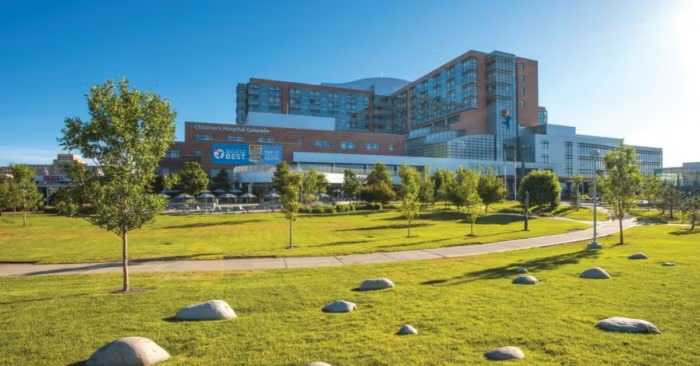
For example, with Children’s Hospital Colorado Foundation we convened hospital partners, community organizations, and subject matter experts to foster collaboration and build consensus around big, bold initiatives. This process translated innovative ideas into compelling philanthropic cases for support, presentations, and proposals.
We also helped the foundation educate internal stakeholders—including the hospital’s executive team—on the foundation’s evolving approach to philanthropy. These sessions emphasized the power of collaboration between the foundation and the hospital in developing impactful cases for support and highlighted the importance of cultivating a “culture of philanthropy” throughout the organization.
The outcomes? Multiple seven- and eight-figure commitments in support of the hospital’s highest priorities, strengthened relationships with top donors, and the establishment of clear processes for future principal gift opportunities. Children’s Hospital Colorado Foundation is well positioned for a campaign and equipped to drive meaningful impact for the children and families it serves.
Investing in Fundraising Technology in Advance of a Campaign
A dependable CRM is table stakes for today’s hospital foundations. Grateful patient programs require sophisticated screening, direct-response programs need careful donor segmentation and tracking, and major giving programs depend on seamless relationship building.
According to the Healthcare Campaign Survey Series, most hospital foundations are not investing in their databases in preparation for a campaign—and fewer than half conducted a database audit prior to campaign launch. Just 16% maintain a data governance committee.

Benefactor Group’s Nonprofit Technology team specializes in finding the right systems and tools and helping hospital foundations implement them well. We’ve been working with Ann & Robert H. Lurie Children’s Hospital of Chicago through the entire cycle of system selection and implementation. The process began with a thorough requirements analysis, which included a materials review and facilitated cross-departmental meetings to understand the needs and priorities of every CRM user.
Each step of the engagement—from gathering information to market review to stakeholder alignment—built a foundation for stronger nonprofit technology systems and more effective fundraising operations.
Choosing, implementing, and then fine-tuning a CRM is a huge task—and realistically, it’s beyond the bandwidth of even the most efficient data team. Luis Morales, AVP of Information Strategy at Lurie Children’s Hospital, emphasizes the value of working with Benefactor Group. “You need temporary support to pick up meetings and be your second set of eyes in something like this. It’s additive to our normal jobs.”
In August 2026, Lurie Children’s Hospital, Blackbaud, and Benefactor Group celebrated a successful CRM go-live, supporting Lurie Children’s Hospital as it expands to pursue healthier futures for children and families in Chicago and beyond.
Building the Right Development Team to Meet Campaign Goals
Miraculously, the layoffs sweeping the healthcare sector seem to have left philanthropic partners relatively unscathed. The Healthcare Campaign Survey Series shows that 66% of respondents added both direct and indirect fundraising FTEs before or during their campaigns.
However, only 26.5% reported adding data and analytics staff—despite increased demands for campaign reporting.
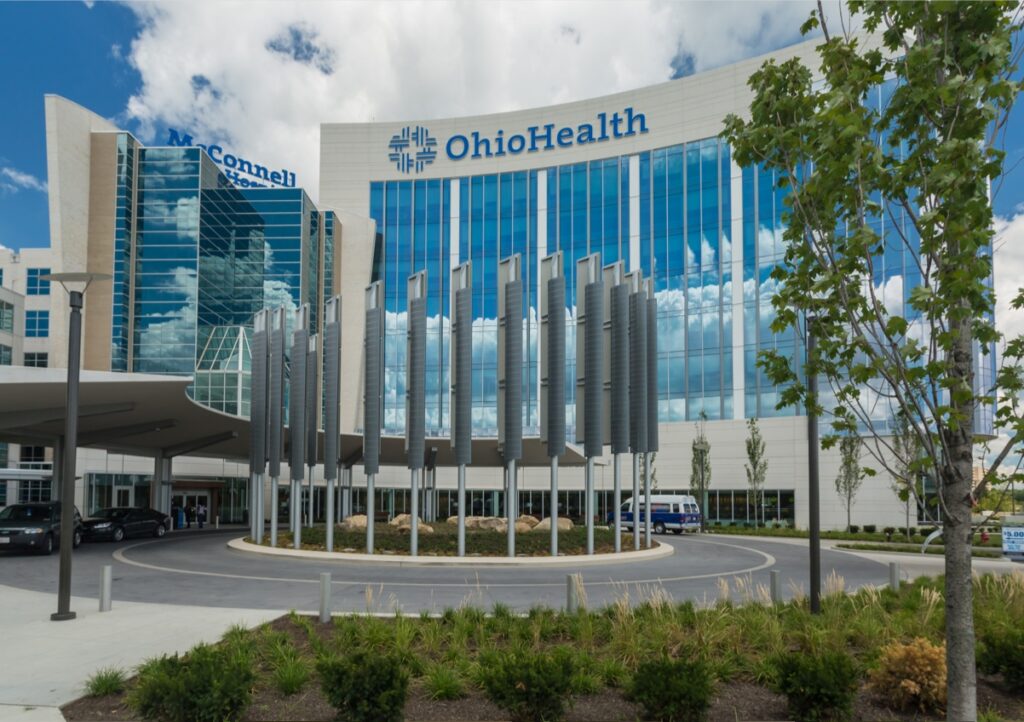
Benefactor Group is proud to partner with OhioHealth, a healthcare system with a reputation for compassionate, excellent care close to home. When OhioHealth innovates, the impact is felt statewide, and in recent years the OhioHealth Foundation has sought to accelerate that innovation. The foundation invested in an internal readiness assessment to align its resources with its goals. This behind-the-scenes analysis helped align the team around goals and metrics, and helped the foundation target its hiring to build capacity.
Since 2025, OhioHealth Foundation has added specific resources to its team to elevate its fundraising. In addition to frontline fundraisers, the foundation recruited a prospect development and research leader and two senior prospect development analysts.
Perfecting Processes and Policies Before Campaign Launch
Donor trust is a huge factor in campaign success. Trust is built through human relationships—but in a complex healthcare fundraising organization, trust must be supported by flawless processes. To fulfil promises to donors, healthcare foundations need to excel at core activities like gift processing and acknowledgements, impact reports and donor stewardship, and bequest record-keeping.
However, the Healthcare Campaign Survey Series reported that only about one third of respondents reported updating their database recording and gift entry protocols before going into campaign, and fewer than half significantly revised their donor recognition policy.
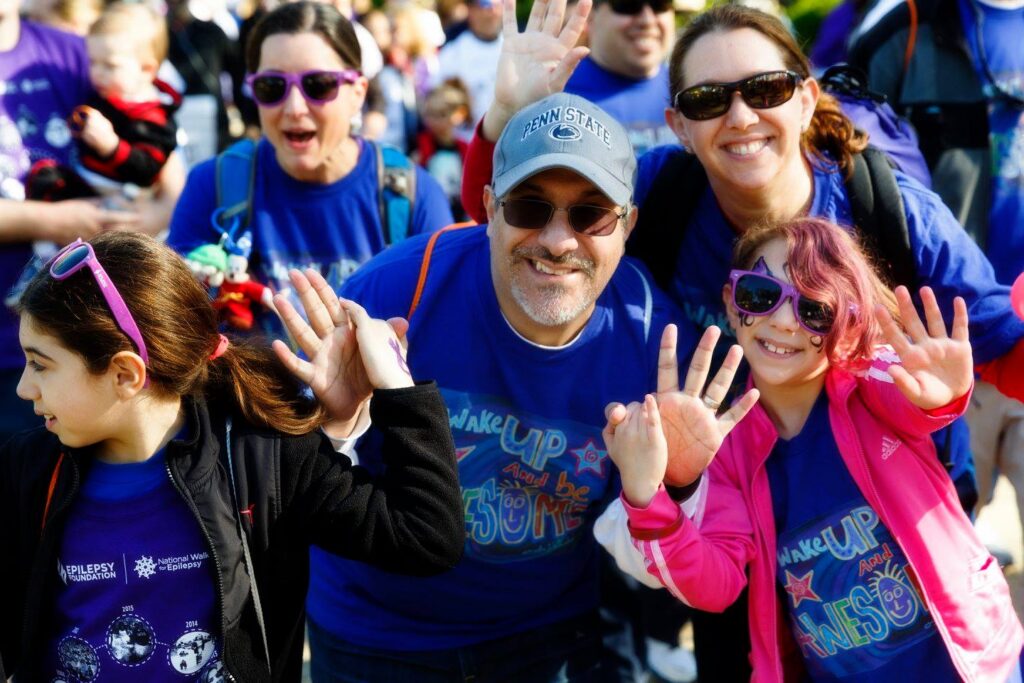
Benefactor Group has been proud to work with the Epilepsy Foundation of America on several initiatives: strategic planning, executive search, and fundraising counsel. Our first engagement with the Epilepsy Foundation of America included a full development assessment and creation of a philanthropic growth plan. The timing of this plan was critical, as the Epilepsy Foundation of America was transitioning to a new network model.
With new standards for essential donor-facing processes, the Epilepsy Foundation of America is positioned to offer donors a seamless experience—and to progress toward a world where no one faces epilepsy alone.
Early Investments in Development Drive Post-Campaign Performance
Respondents in the Healthcare Campaign Survey Series report that their hospital or health system executives have high expectations post-campaign—65% anticipate continued high expectations.
Vision, technology, people, process: none of these are campaign work exactly, but none of them can wait until the campaign starts either. Forward-looking healthcare philanthropy leaders don’t address infrastructure gaps because a campaign forced the issue. They take stock of their development departments’ strengths and opportunities and make strategic investments in people and operations. Campaign success follows—and they can count on post-campaign performance as well.
If your hospital or healthcare foundation is eyeing a campaign, the detail work is worth doing now, while you still have the runway to do it well. Let’s talk about what readiness could look like for your team.