
Kaitlyn Kendall-Sperry
Senior Consultant
Every nonprofit strategic plan starts with one question: where do we want to go next? For Akron-Canton Regional Foodbank (ACRFB), that question arrived at the onset of a leadership transition.
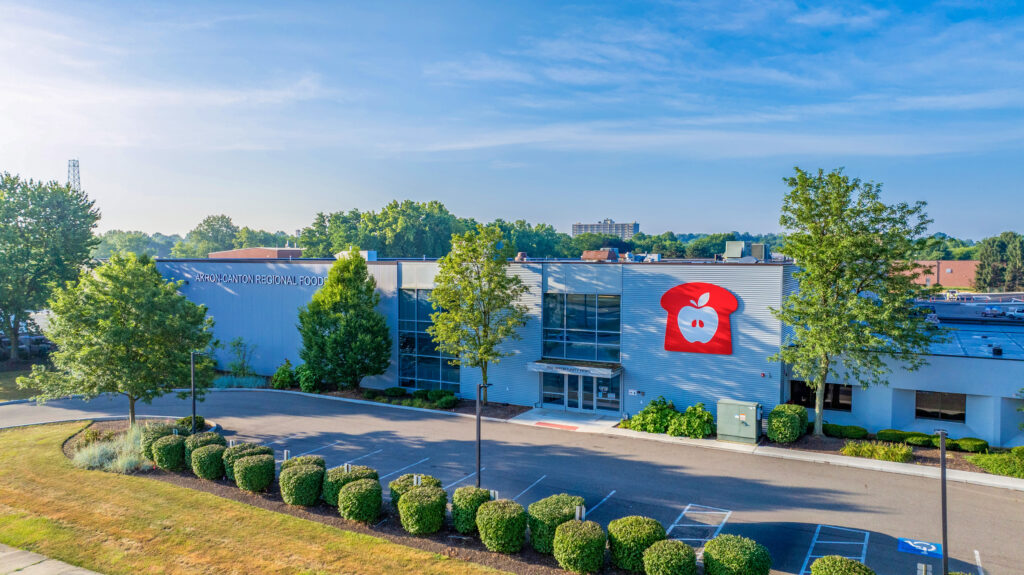
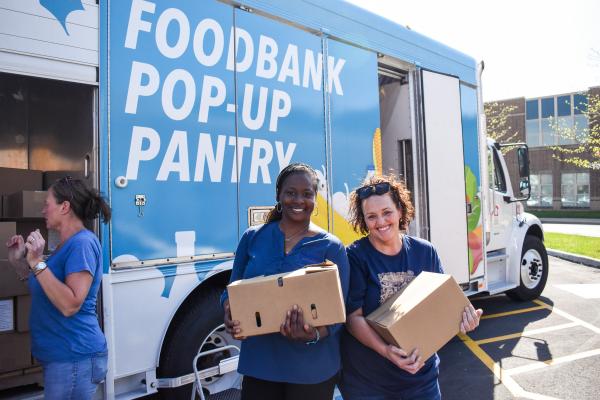
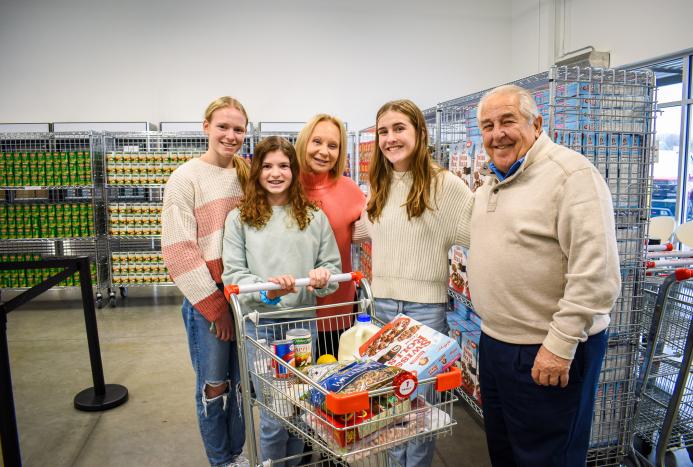
ACRFB is a regional food bank serving neighbors across eight Northeast Ohio counties. Working with a network of about 620 pantries, meal sites, shelters, and other programs, it provided access to enough food for 32.8 million meals in 2025. It was the largest year in its history and the fourth year in a row of growth, even as federal and state food support dropped by nearly 30%. Its team brings a strong, mission-driven culture to the work, and that culture shone through every step of our nonprofit strategic planning process together.
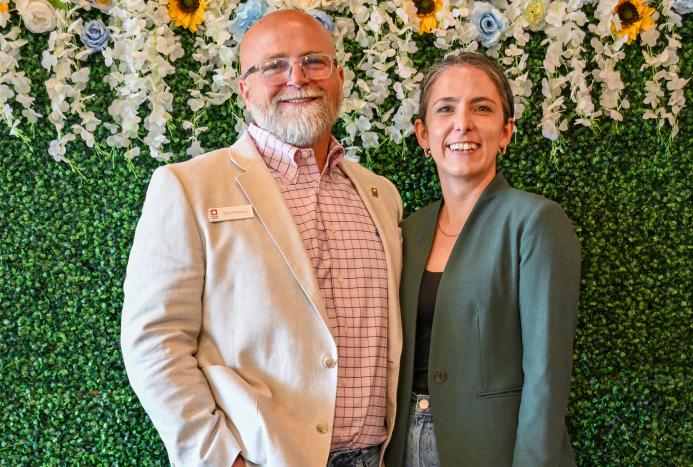
We recently sat down with three of the leaders who guided the plan: Dan Flowers, the Foodbank’s outgoing CEO; Katie Carver Reed, the Executive Vice President who will become President and CEO on January 1, 2027; and Nathan Kreis, the Director of Strategic Projects.
In late 2025, the Foodbank’s leadership saw a unique opportunity to invest in the organization’s future during a moment of transformative transition, engaging Benefactor Group’s Strategic Planning team to conduct an organizational assessment and facilitate the development of its next strategic plan.
Here’s how it came together.
Why Bring in an Outside Partner for Nonprofit Strategic Planning?
ACRFB publicly launched its Growing for Good campaign in February 2020, funding the Foodbank’s new facility in Canton and an expansion of its Akron campus. Weeks later the country shut down in response to the COVID-19 pandemic, sparking an overwhelming need for food assistance that had to be delivered in an entirely new way. The Foodbank’s website describes the result as “10 years of innovation in two short years.” The Foodbank’s most recent strategic plan—Deepen Our Impact (2022–2025)—continued the momentum of that period of change.
As that plan and that era came to a close, the Foodbank team wanted something a little different. Katie said the team hoped to bring in a partner who could add “a bit more structure and rigor and discipline to the process.”
“It’s always helpful every couple of years to have an outside perspective to come in and challenge your assumptions,” Katie said, adding that those fresh approaches become references the team can return to in the years between plans. Nathan pointed to the risk of working only from the inside: “It is obviously so easy to get in a bubble and have blind spots.”
Together, those reasons pointed the Foodbank toward a partner who could bring outside perspective, added capacity, and new tools: Benefactor Group’s strategic planning process, LCDC framework, and decision science counsel.
How Does Decision Science Strengthen a Nonprofit Strategic Plan?
Benefactor Group’s decision science counsel centers on a structured process of explicitly defining your priorities and your measures of success, then evaluating potential work against them. The process requires organizations to bring leaders from every functional area together to compare projects along objective values of strategic alignment, cost, and personnel.
That engaging, rigorous process was part of the appeal. Katie described the value of having people from every area of the organization “sitting in a room together and having to really look at the numbers themselves and not our compassion and feel-goodness about an idea.” In her words, it was “a really illuminating experience for all of them and for all of us.”
[It was] sitting in a room together and having to really look at the numbers themselves and not our compassion and feel-goodness about an idea . . . a really illuminating experience for all of them and for all of us.”
–Katie Carver Reed, Executive Vice President, Incoming President & CEO
The process also gave the team a sharper way to talk about priorities. “Is this someone’s just special project that they love, or is it aligned with our mission, vision, and values?” Katie said the group asked. “And how much weight should it have against other competing priorities?”
Clear roles and expectations kept the work moving. Leaders and experts within the Foodbank were assigned as “owners” of the plan’s objectives. They helped develop the measures of success and potential projects for their area of expertise, ensuring that those implementing the plan also had a hand in crafting it. This creates clear ownership and engagement in the plan, which translates to a smoother transition to implementation.

Dan said he is glad the team took on the challenge. “I think that the rigor of it enhanced the project,” he said. He even found himself drawing on the experience while serving on another nonprofit board, where members disagreed about the organization’s main purpose. It reminded him of the questions the Foodbank worked through in its retreat: “Who are we? What is our main thing?” As he put it, “That’s why we have these conversations.”
How Do Staff and Board Retreats Strengthen Nonprofit Strategic Planning?
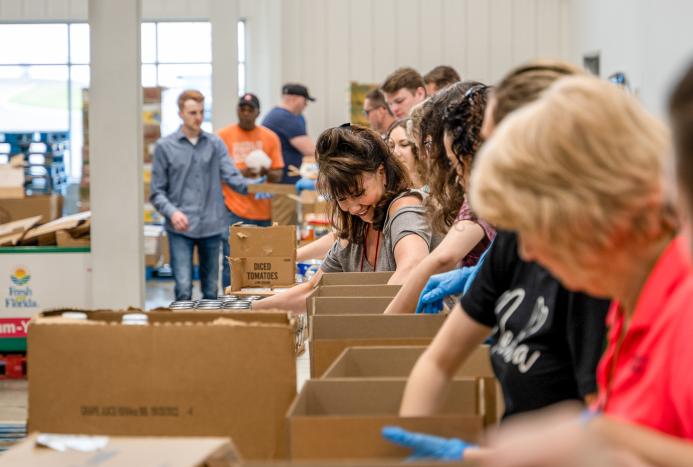
Retreats and group sessions were at the heart of the process, bringing together voices from across the organization to build a shared future for Akron-Canton Regional Foodbank.
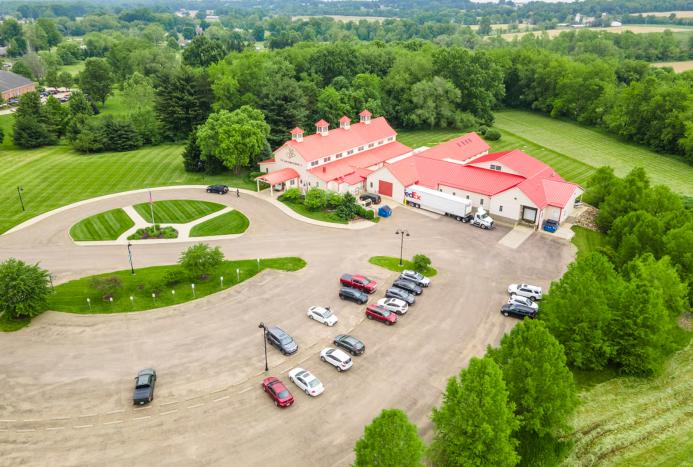
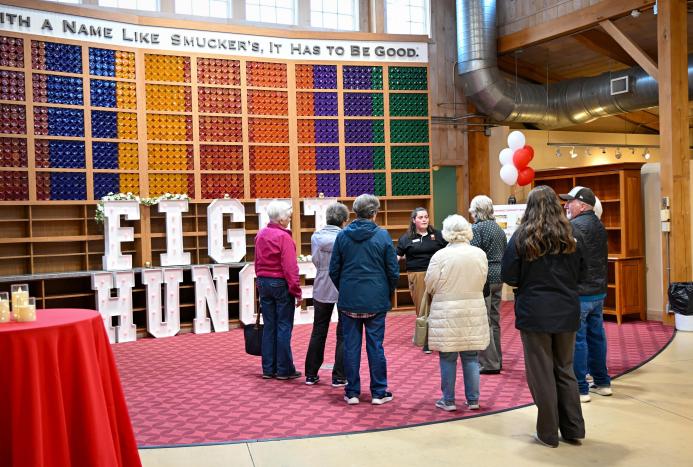
The staff session at the newly acquired Wayne County Campus, held on the first day the Foodbank team hosted at their new location, quickly became a favorite. “The highlight of it for me was definitely the staff session,” Dan said. “That was brilliant.” Staff engagement was high, and the Foodbank’s culture was on proud display. Gathered in a space that represents the Foodbank’s next chapter, staff shared ideas for both the building and the future, and the session set an energetic tone for the rest of the process.
Katie pointed to the staff and board sessions as “really important moments to pause and reflect.” One of those moments was a close look at the Foodbank’s paragraph-long mission statement. “While maybe it felt in the moment a little like, ‘Why do we keep talking about this?’ I think we needed to keep talking about it,” she said. The conversation helped the team home in on what the Foodbank will and will not do to help achieve its vision of a thriving community free of hunger, resulting in the creation of a new mission statement. For the Foodbank, it answered a question asked by many nonprofits: “We say these words, what do they mean? And how do they show up for us?”
That clarity around mission and vision carried through the rest of the process, allowing the Foodbank to create a strategy that was deeply aligned with the core of the organization. That clarity and alignment have continued as the organization begins implementation. When new ideas come up, such as staff ideas for the building and the future, Katie has already put them to the test, asking, “Where does that show up in the strategy?”
The process itself felt as good as the results. “There was great clarity in the process from beginning to end,” Katie said. Nathan heard the same from staff, who commented on how clear the structure and timeline were. For him, it was a “really great first experience” leading a strategic plan internally.
There was great clarity in the process from beginning to end.”
–Katie Carver Reed, Executive Vice President, Incoming President & CEO
Dan said the sessions mattered beyond the content. “The participation is a large part of the purpose,” he said, and for most staff and board members, those meetings are the plan. Reflecting on the whole experience, he called Benefactor Group “second to none,” and Katie summed it up simply: “You all are fantastic to work with.”
Key Takeaways for Nonprofit Strategic Planning During a Leadership Transition
Akron-Canton Regional Foodbank’s plan shows what nonprofit strategic planning can do when it is built to carry an organization through a transition. An outside partner helped the team take an objective approach to their visioning. The strategic planning process and decision science counsel replaced good intentions with shared data, and ensured the plan has a clear path from paper to practice. The staff and board retreats turned participation into ownership, and a closer look at the mission and vision gave the team a way to keep priorities and projects aligned and to test every new idea against the strategy.
The result is a plan that is both human-centered and donor-centered, and one that Katie can lead from her first day as President and CEO. Getting to the end of a strategic plan is no small thing, and doing it during a leadership handoff is even more impressive.
Is your nonprofit planning for the future, with or without a leadership change on the horizon? We’d love to talk. Learn more about our Strategic Planning services or reach out to start the conversation.
We are grateful to Dan, Katie, and the entire Akron-Canton Regional Foodbank team for trusting us with this work and for everything they do to serve their neighbors and the common good.