

Paul Yeghiayan, CFRE
Senior Consultant
About the Akron-Canton Regional Foodbank
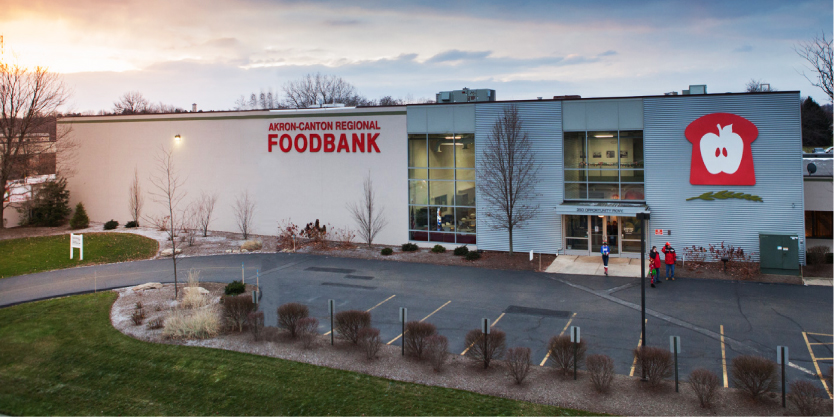
Since 1982, the Akron-Canton Regional Foodbank has worked to end hunger across eight counties in Northeast Ohio. Through a network of more than 600 partner programs, including food pantries, hot-meal sites, shelters, and programs for children and seniors, it provided 32.8 million meals in 2025 and distributed more than 42 million pounds of food. Across the region, roughly one in seven people may face hunger.
For nearly two decades, the Foodbank’s endowment sat quietly under a million dollars. By the end of 2025, it had grown to nearly $5.9 million, more than doubling its value just three years earlier. How an organization focused on meeting urgent needs today is also building a fund to last for generations is the result of a deliberate shift over the past several years.
Early Foundations of a Planned Giving Program
The endowment is not new. The Foodbank created it in 1999, originally the Foodbank Charitable Foundation, partly to reduce its reliance on government commodities and funding that can change from year to year. For most of its first two decades, it drew little attention.
It’s always operated separately from the Foodbank itself, which is unique. For the first 20 years, we didn’t actively fundraise around it.”
Colleen Benson, Chief Development Officer
There were a few committed supporters, but no real case for endowment, and a small Foodbank fundraising team was focused on direct mail and events. The idea surfaced more than once over the years but never gained traction, usually because the case wasn’t ready or a more immediate need came first.
What Triggered Endowment Growth: Planned Giving Strategy and Expert Counsel
Debra Hagarty, CFRE (Debbie) joined the Foodbank as a Major Giving Officer in 2017, coming from a healthcare organization with a sizable endowment and a mature planned giving program, and she thought the Foodbank could build one too. The pandemic made the idea harder to put off, since those years showed how quickly the Foodbank’s outside funding could shift. The real momentum came in 2021, when a $1.25 million gift nearly doubled the endowment in a single year.
The Foodbank had worked with Benefactor Group before, during an earlier capital campaign, and Benefactor Group has been a consistent advocate for endowment building. Early on, Benefactor Group’s Laura MacDonald gave Colleen a copy of Diana Newman’s Endowment Building, which helped revive a dormant idea.
The bigger turn came from a recent planned giving and endowment assessment Benefactor Group completed in 2024. It reviewed the Foodbank’s policies and gift agreements, surveyed staff, screened the donor base for planned giving potential, and laid out a case for support and a three-year action plan.
The work gave the board and senior leaders a shared, evidence-based case for endowment, and Colleen credits it as the point where the Foodbank’s fundraising culture began to shift. Benefactor Group has continued to advise the Foodbank on its endowment since.
It’s just helped change our philanthropic culture at the Foodbank.”
Colleen Benson, Chief Development Officer
Building a Nonprofit Endowment
That assessment is also where the formal work began to take shape. The Foodbank started meeting more regularly on endowment, revisited its policies and procedures, and secured buy-in from its operating board, endowment board, and the fundraising team. The change that mattered most was a single policy decision.
The policy change that was the biggest part of building the endowment was choosing to have planned gifts support endowment.”
Colleen Benson, Chief Development Officer
Before, planned gifts flowed into operating, where a large bequest one year and none the next made budgeting hard. Routing them to endowment turned one-time gifts into a permanent base. The Foodbank also started a charitable gift annuity program in 2019, with Feeding America as fiduciary. Donors can direct a gift annuity to annual support or to endowment, and so far, every contract has been written for endowment.
The recommendations reached beyond policy. They called for featuring planned giving in everyday communications, from appeals and acknowledgment letters to prompts pointing donors to the planned giving page, which brought the development and marketing teams into closer step. Internally, endowment became a standing item in department and all-staff meetings, so the work would not depend on one or two people holding all the knowledge.

Planned Giving Donor Conversations: Connecting Annual Giving to Legacy and Endowment
With that structure in place, the Foodbank changed how it talks with supporters. Instead of treating this year’s gift and a future planned gift as competing requests, gift officers raise both in the same conversation.
We have donors who have supported us for almost two decades, and they’re aging. So we talk with them about annual giving, but we also make planned giving and legacy support part of the conversation, and ask whether they’ve considered including the Foodbank in their long-term plans. We’re doing both at the same time, and it helps them see that their annual support can continue through endowment.”
Debra Hagarty, CFRE, Gift and Estate Planning Officer
It’s our duty to have those conversations with them. They’ve supported us for a long time, and I want to give them the opportunity for their giving to continue.”
Colleen Benson, Chief Development Officer
Where Permanence Became Personal: Planned Giving in Action
The case becomes real one donor at a time. One large estate gift came from a supporter the team barely knew. When they asked his surviving wife about directing it to the endowment fund, her answer was an immediate yes.
My husband would be thrilled that it’s going toward endowment."
Foodbank Endowment Donor
Other gifts came from people no one would have guessed, including a couple who volunteer regularly and chose to include the Foodbank in their wills once they understood what endowment could do. Many of the Foodbank’s planned gifts come from steady, modest donors rather than the wealthy; the kind of people in the building every day. Several donors have gone a step further and established named endowment funds, attaching a family name to the Foodbank’s future.
Why Endowment Building Matters: Protecting Mission During Funding Cuts
You could prepare a budget every year because you could count on those monies helping to sustain certain programming.”
Debra Hagarty, CFRE, Gift and Estate Planning Officer
In 2025, the Foodbank saw what that protection is for. Federal and state cuts took away close to a third of the government food it had counted on. Then SNAP benefits stopped for the first time, caught in the longest government shutdown the country has had, and the lines at pantries grew fast. Donors in the community gave enough to get through it. But the Foodbank cannot assume that kind of rescue every time the ground shifts, and that is the gap an endowment fills. Money drawn from a permanent fund keeps coming when a budget falls through or a grant ends, so the Foodbank can stay open to people even when its other support does not.
The endowment now stands at nearly $5.9 million, up from under $1 million a few years ago, and its annual distribution has grown from under $70,000 in 2021 to about $188,000 in 2025. That last figure is not abstract. In 2025, the endowment’s distribution provided more than half a million meals.
If your organization is ready to build an endowment that can carry its mission through whatever comes next, contact us to learn how Benefactor Group can help.