
Susan Brekelmans, CFRE
Senior Consultant
What can Healthcare Fundraisers Learn from the 2026 AHP Conferences?
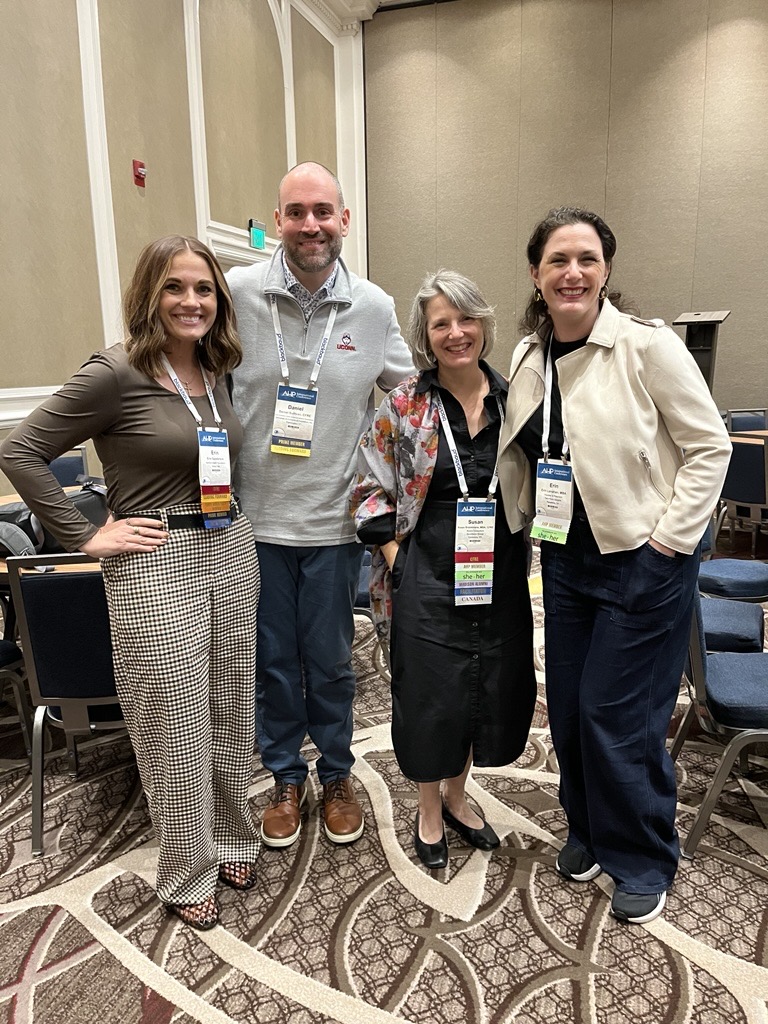
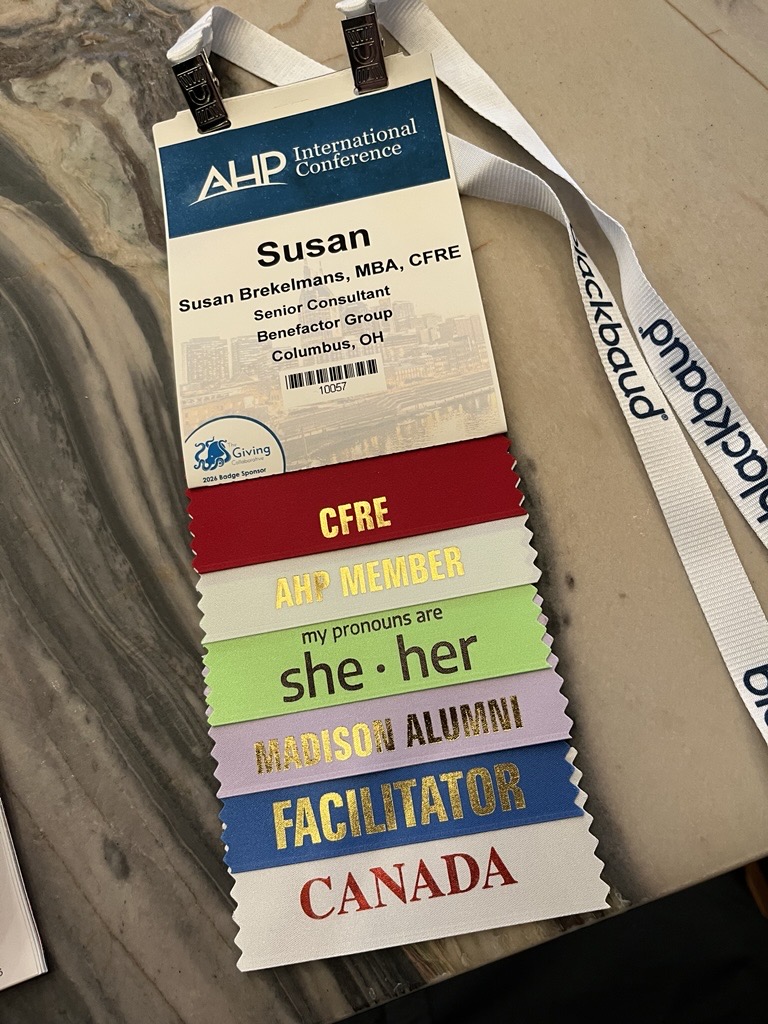
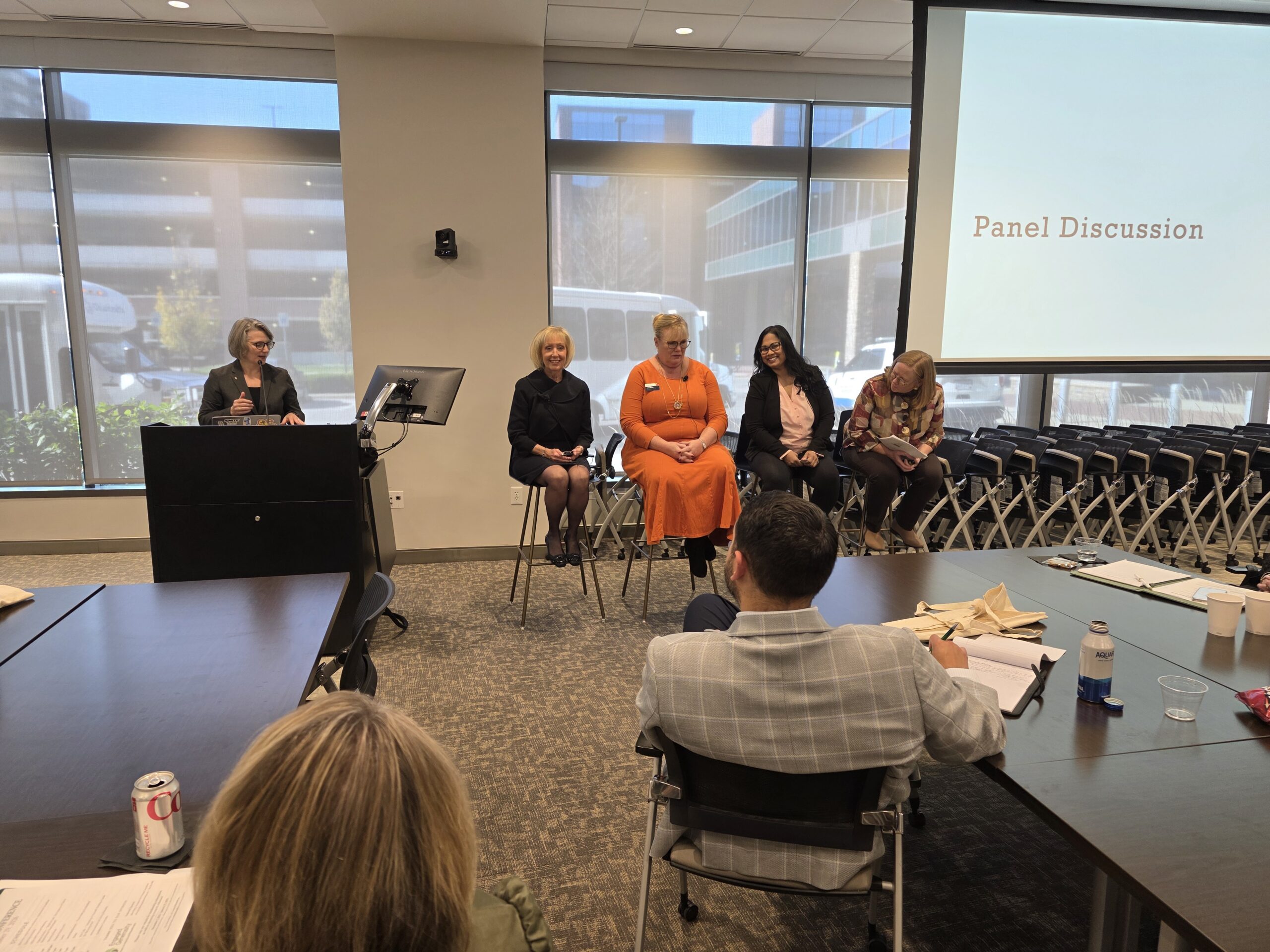
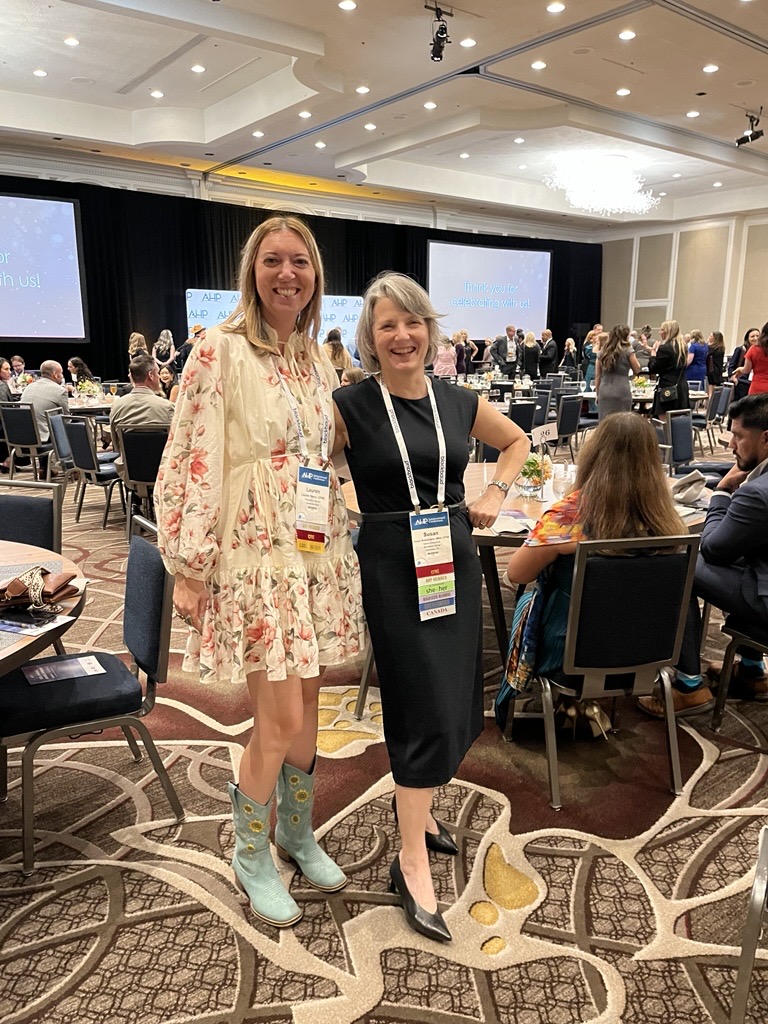
October was a busy month for healthcare philanthropy conferences—the Association for Healthcare Philanthropy (AHP) International Conference was in Nashville in early October, and the month closed out with the Ohio AHP Fall Conference in Columbus. I had the pleasure and privilege of attending and facilitating a panel at both conferences.
AHP International Conference: The AHP International Conference offered more than 40 sessions over three days—it was hard to choose which sessions to attend. New research on campaigns has put numbers behind some of the perennial issues we all face before, during, and after a campaign: defining strategic priorities, building trust, working with volunteers, so I ended up focusing on some of the perennial puzzles for campaigns, hoping for some insights to bring back to my clients.
Ohio AHP Fall Conference: It was a pleasure to reconnect with Ohio colleagues and wrap up the month with the Ohio AHP Fall Conference. One of the last regional healthcare philanthropy associations, Ohio AHP strives to bring top-notch continuing education to Ohio practitioners. This year’s theme was “In It for the Long Haul,” a look at how to build enduring donor relationships and satisfying, long-term careers.
Together, the two conferences offered a national and local view of what is shaping healthcare philanthropy today and what to look forward to in the future. Here are the main takeaways I took from the sessions I attended.
Seven Takeaways from This Year's AHP Conferences
1. What Inspires Big Gifts? Big Ideas.
At the Campaigns Roundtable, I heard participants comment that their communities are hungry for “the visionary piece” of campaigns—but that defining and communicating those inspiring priorities continues to be a challenge. When philanthropy is a rounding error in a health system’s budget, hospital foundations must often accept the reality that capital projects will routinely start before philanthropy is involved. That doesn’t mean fundraising leaders shouldn’t work hard to be in “The Room Where It Happens,” as we were reminded by Hamilton star Miguel Cervantes. Roundtable participants reported successful approaches to building connection between senior fundraising leaders and hospital C-suites—recruiting respected retired physicians to serve as a philanthropy liaison, for example.
2. Worthy, Not Wealthy: Why Hospitals Still Need Philanthropy
While some healthcare organizations are seeing diminishing margins, in many markets donors see mergers, expansions, and new construction—and ask, “Why do you need philanthropy?” I heard colleagues at the conference echo the kind of reframing that we have recommended to clients: position your organization as worthy, not wealthy. Emphasize the mission, not the money. Publicizing generous donor commitments can underscore that message: they attract attention and bring the role of philanthropy to life. They also signal competence—demonstrating that a hospital and its foundation can handle a large gift, and inspiring donor confidence that encourages more principal gifts.
3. Nonprofit Boards and Committees: Love Them or Leave Them?
Attracting, inspiring, and retaining philanthropy-savvy volunteers is an ongoing challenge. Some presenters and participants are sticking with the boards they have—investing in the development of volunteer leaders. I heard about boards and councils mobilizing to engage younger donors and develop a pipeline of future volunteer leaders and donors. I heard about initiatives to clarify expectations, and others to drive team and individual board self-evaluation. In other cases, fundraising shops have dispensed with volunteer leadership altogether, bucking the conventional wisdom that fundraising is a team sport.
4. Hiring Crunch: Outside Expertise as a Staffing Strategy
“I could teach a course in how to outsource a development shop,” said one presenter. Creative resourcing might have been an unofficial theme of the AHP conference. I heard about difficulties in hiring qualified planned giving staff, short-staffing on the stewardship front, and extensive use of freelancers to deliver specialized expertise. Sounds like smart healthcare philanthropy shops are not trying to fill the “everything role”—a recipe for dysfunction, as Adam Fazio, Benefactor Group’s executive search lead, explores in his white paper, The Everything Role: How Unsustainable Development Positions Are Burning Out Fundraisers and Undermining Nonprofits. Instead, they are using outside expertise as a deliberate staffing strategy.
5. A Refreshing Take on Culture
My volunteer duties at the AHP International Conference included hosting duties for Jack Alotto and Bree Muelhlbauer’s express talk. These people speak the Benefactor Group language: Jack and Bree reminded us to start with curiosity, embrace experimentation, and turn learning into improvement and innovation. “Give yourself permission to fail!” said Jack. Reminds me of a Benefactor Group leader who sincerely reminds us, “A defect is a treasure.” Bree and Jack were not suggesting that innovation is a cure for systemic funding cuts—but they did challenge us to create psychological safety so that people can take risks and discover opportunity.
6. Donors Are People, Not ATMs
Cherian Koshy joined us in person at Ohio AHP with an extended version of his take on donor behavior. A data-packed trip through trust, identity, emotion, memory, belonging, and cognitive friction, his presentation reminded me of all the best practices we know and love. They boil down to treating the donor across the table or on the other end of the call as a person—not a cypher, an ATM, or a persona. Most stirring for me was his call to action on stewardship. By ensuring our donors experience joy when we help them drive impact, we serve the larger cause of encouraging their generosity to multiple organizations. A rising tide of generosity lifts all boats.
7. From Asking to Advising
Laura MacDonald and I further explored that collective responsibility with a panel of practitioners reflecting on their role as thought partners to donors. Jodi Bopp from I Am Boundless, Shirley Leonard from Northeast Ohio Medical University, and Pratima Persaud from the Epilepsy Foundation of Ohio are all experienced fundraisers. They reminded us that serving as an advisor to a donor, and facilitating their impact is not a new concept. It’s a reframing of the donor-centric approach that Penelope Burk introduced us to more than 25 years ago.
What These Takeaways Mean for Healthcare Philanthropy
From Nashville to Columbus, one message came through: healthcare philanthropy will thrive when a compelling vision, strong people, and lasting donor relationships work together. The national sessions focused on how hospital foundations make the case and build capacity, from defining inspiring campaign priorities to engaging volunteers and staffing smartly. The Ohio sessions brought us back to the donor, with a reminder that donors are people, that joyful stewardship encourages generosity, and that serving as a thought partner is the next step in donor-centered fundraising.
You don’t need to tackle all six takeaways at once. Pick the one that fits your hospital foundation right now. If a capital campaign is on the horizon, start by clarifying the vision that will inspire principal gifts. If donors are asking why a hospital needs philanthropy, try the worthy, not wealthy reframe. If your team is stretched thin, look at where outside expertise could fill a gap, so your people can focus on what only they can do.
Benefactor Group is here to help. Our Fundraising team will partner with you on Campaigns and Capacity Building, and our Talent team will support you with Executive Search and Interim Staffing. Contact us to talk through which of these ideas could make the biggest difference for your mission and your community.